

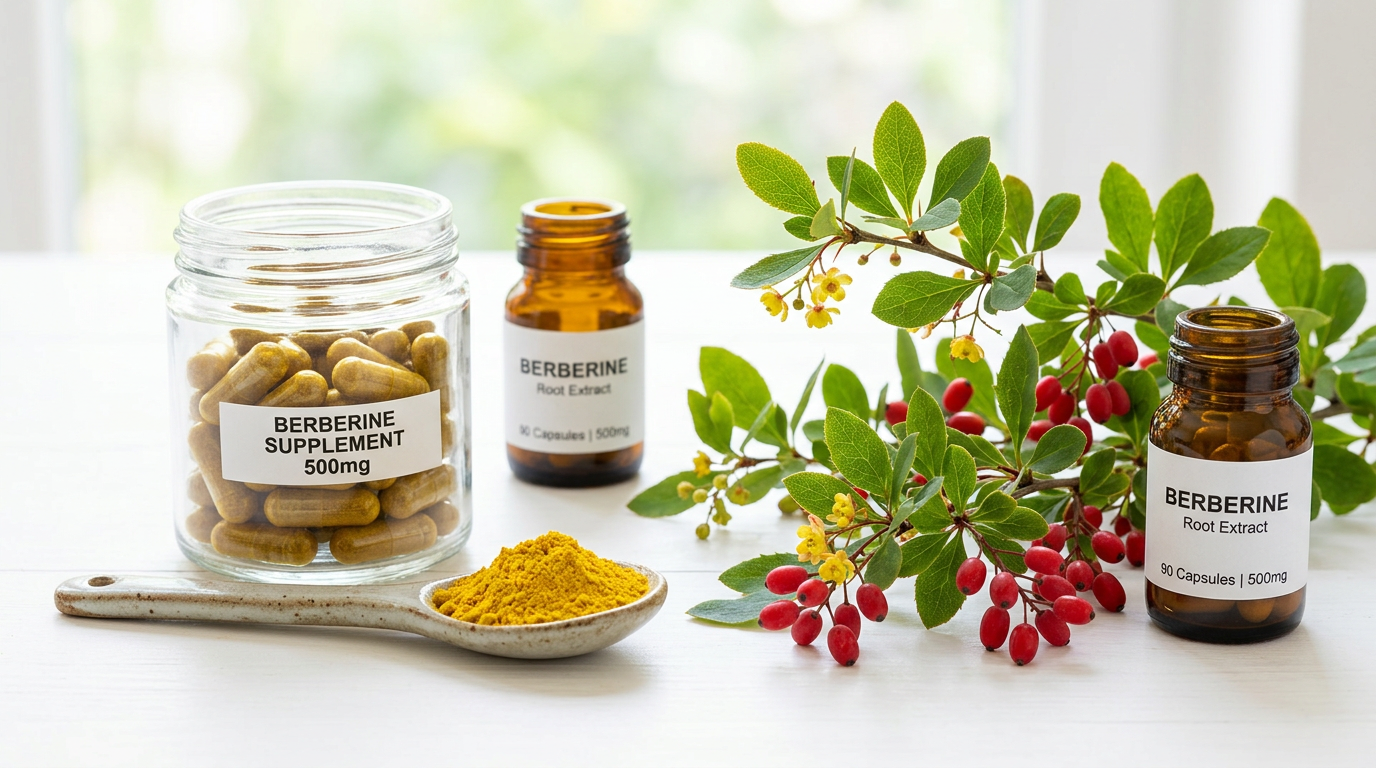

Berberine has exploded in popularity as a natural weight loss supplement — often called “nature’s Ozempic” on social media. But does berberine for weight loss actually deliver results that match the hype, or is this another supplement trend that won’t hold up to scrutiny? Here is an honest, research-based breakdown.
What Is Berberine?
Berberine is a bioactive compound found in several plants including barberry, goldenseal, Oregon grape, and tree turmeric. It has been used in traditional Chinese and Ayurvedic medicine for thousands of years, primarily for blood sugar and digestive conditions. Modern research has now identified its mechanisms and tested it rigorously in clinical trials.
How Berberine Works for Weight Loss
Berberine activates AMPK (AMP-activated protein kinase) — sometimes called the “metabolic master switch.” When AMPK is activated, it: increases fat burning and decreases fat storage, improves insulin sensitivity (so less glucose is converted to fat), reduces glucose production in the liver, slows carbohydrate absorption in the gut, and influences gut bacteria composition to favor a leaner metabolic profile. This multi-pathway mechanism is why researchers consider it particularly promising.
What Clinical Studies Actually Show
Head-to-Head with Metformin
A landmark 2008 study in Metabolism compared berberine (500mg three times daily) with metformin (the most prescribed diabetes drug) in 116 patients with type 2 diabetes. Both produced nearly identical reductions in blood glucose, HbA1c, and triglycerides. Berberine also produced greater reductions in blood pressure and LDL cholesterol.
Direct Weight Loss Studies
A 12-week study in 37 adults with metabolic syndrome found berberine (500mg three times daily) produced an average weight loss of 5 pounds, reduced BMI by 3.6%, and significantly reduced waist circumference. Another meta-analysis of 12 RCTs found berberine significantly reduced BMI, body weight, and waist circumference compared to placebo.
The Ozempic Comparison
Here is important context: Ozempic (semaglutide) typically produces 10–15% body weight reduction over 68 weeks. Berberine trials show approximately 3–5% weight reduction over 12 weeks. Berberine is NOT as powerful as semaglutide — but it is significantly more effective than most OTC supplements, accessible, affordable (~$20–30/month), and has a good safety profile.
Correct Dosage
The clinically studied dose is 500mg three times daily (1,500mg total), taken with or just before meals. This dosing matters — berberine has a short half-life and needs to be taken multiple times daily to maintain blood levels. Taking 1,500mg once daily is not equivalent. Results typically appear at 4–8 weeks.
Side Effects to Know
Gastrointestinal side effects are common when starting — nausea, constipation, or diarrhea in 30–40% of users. These usually resolve within 2–3 weeks. Start with 500mg once daily and gradually increase to three times daily over 2 weeks. Take with food rather than on an empty stomach to reduce GI discomfort.
Who Should Avoid Berberine
Pregnant and breastfeeding women (avoid entirely). People on diabetes medications (berberine can cause hypoglycemia when combined). People on cyclosporine or blood thinners. Consult your doctor if you have any chronic medical condition or take prescription medications.
Bottom Line
Berberine is one of the most legitimate supplements in the weight loss category. The comparison to Ozempic is overblown, but the evidence for meaningful improvements in blood sugar, insulin sensitivity, weight, and metabolic markers is solid. It works best as part of a healthy diet and exercise program, not as a standalone replacement for lifestyle changes.