

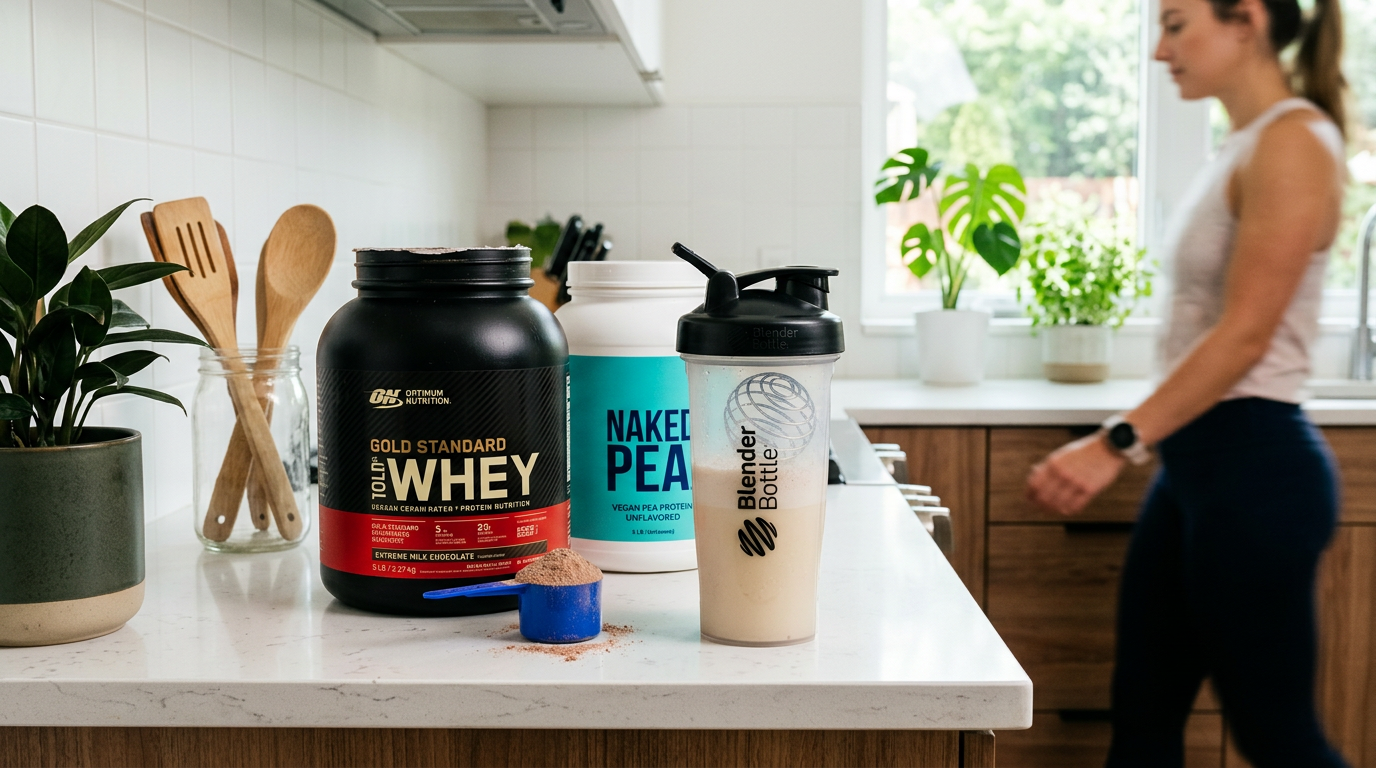

Protein is the most important macronutrient for weight loss — it reduces appetite, preserves muscle mass during a deficit, and has a high thermic effect (burns calories just being digested). But not all protein powders are created equal, and many products marketed to women are unnecessarily expensive, poorly formulated, or filled with unnecessary additives. Here is exactly what to look for in the best protein powder for women’s weight loss.
Why Protein Is Essential for Women’s Weight Loss
When you create a caloric deficit, the body can lose both fat AND muscle. Losing muscle is metabolically devastating — it lowers your resting metabolic rate, meaning you burn fewer calories at rest, making further weight loss progressively harder. High protein intake (1.6–2.2g per kg of body weight daily) during a caloric deficit is the primary strategy for preserving muscle while losing fat. Most women struggle to reach this from food alone, which is where protein powder becomes genuinely useful (not just a marketing product).
What to Look for in a Protein Powder
Protein content: Minimum 20g per serving. Avoid products where a serving is 40g of powder but only delivers 15g of protein — you are mostly paying for fillers.
Ingredient list: Short and clean. Protein source, natural flavoring, and a sweetener. No more than 10 ingredients.
Sweeteners: Stevia or monk fruit are preferred natural options. Avoid sucralose and aspartame if you have digestive sensitivity.
Third-party testing: Look for NSF Certified for Sport or Informed Sport certification — these guarantee what is on the label is in the product and it is free from banned substances.
No proprietary blends: These hide the actual amounts of each ingredient.
Best Types of Protein Powder for Women
Whey Protein Isolate — Best Overall
The most studied, most effective protein for muscle retention and appetite reduction. Whey isolate is 90%+ protein by weight (versus 70–80% for whey concentrate), with minimal lactose (suitable for most lactose-sensitive people). Fast-absorbing, ideal post-workout. Best choice for women who can tolerate dairy.
Casein Protein — Best Before Bed
Slow-digesting casein releases amino acids over 5–7 hours. Studies show consuming 30–40g of casein before bed increases overnight metabolism, preserves muscle mass, and improves next-morning satiety. Excellent for reducing overall daily calorie intake naturally.
Pea Protein — Best Plant-Based Option
The most evidence-backed plant protein. Multiple studies show pea protein performs comparably to whey for muscle retention and appetite reduction. It is dairy-free, soy-free, and hypoallergenic — suitable for virtually everyone. Look for organic yellow split pea protein.
Collagen Protein — Best for Skin and Joints
Not ideal as a primary protein source (lacks tryptophan, an essential amino acid) but excellent as an addition. 10–20g daily improves skin elasticity, reduces joint pain during exercise, and supports gut health — benefits particularly relevant to women over 35.
What to Avoid
Products with “proprietary blends” (hiding low doses), very high calorie counts per serving (protein powder should supplement, not replace, real food), excessive added sugars (some “healthy” powders have 15+g of sugar), and products marketed specifically “for women” that charge a pink tax premium for the same ingredients as unisex versions.
How to Use Protein Powder Effectively for Weight Loss
Replace the highest-calorie, lowest-protein meal or snack in your day (usually an afternoon snack or breakfast). A protein shake with water or unsweetened almond milk saves 300–500 calories versus typical snack foods while dramatically increasing satiety. Aim for 25–35g of protein at breakfast to reduce overall calorie intake for the entire day.