

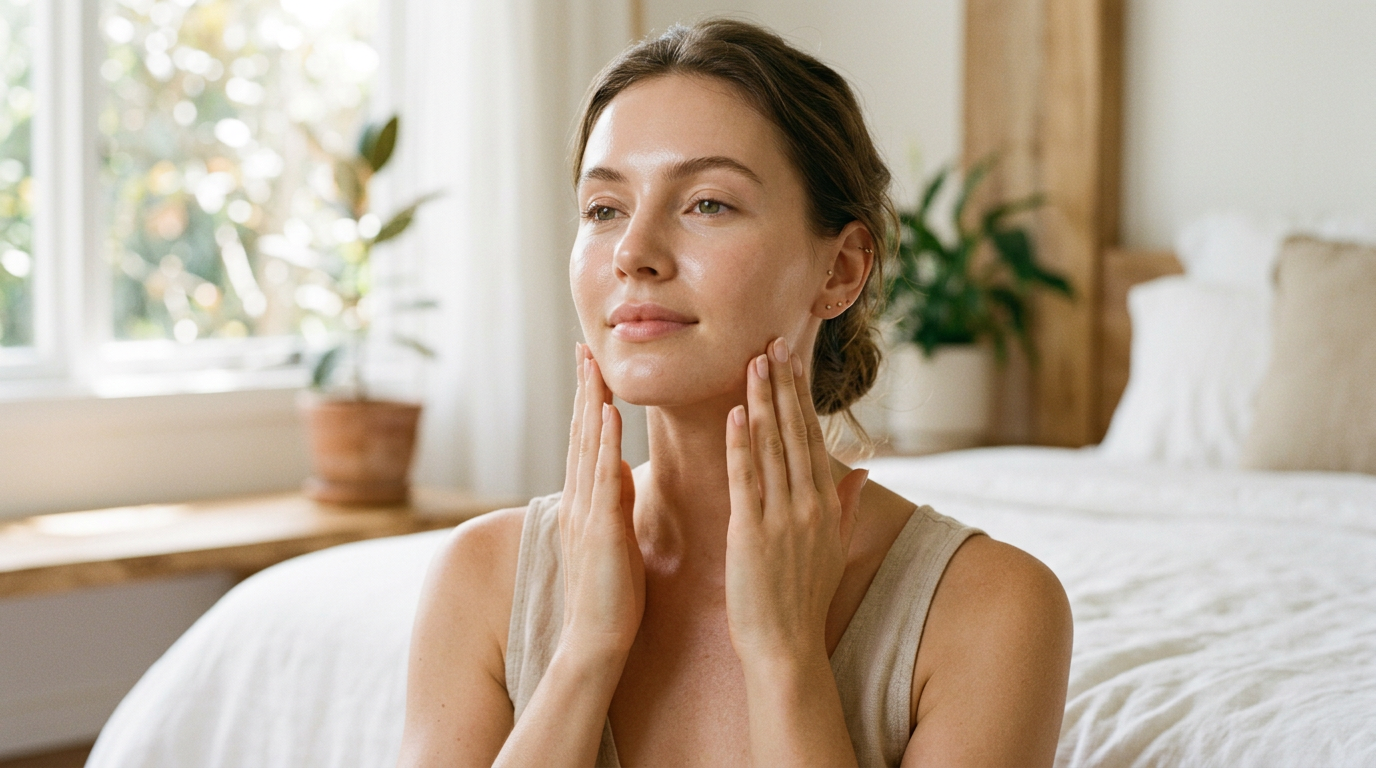

Lymphatic drainage massage has gone from a niche medical therapy to one of the most searched wellness trends — and for good reason. The lymphatic system is a critical but often overlooked component of health, and simple at-home massage techniques can provide real, measurable benefits. Here is everything you need to know to do it safely and effectively.
What Is the Lymphatic System?
The lymphatic system is a network of vessels, nodes, and organs that runs parallel to the circulatory system. It carries lymph — a fluid containing white blood cells, proteins, and cellular waste — throughout the body, filtering it through lymph nodes before returning it to the bloodstream. Unlike the circulatory system (which has the heart as a pump), the lymphatic system relies entirely on movement, breathing, and muscle contractions to flow.
Benefits of Lymphatic Drainage Massage
Reduces Puffiness and Fluid Retention
Lymphatic massage manually moves stagnant lymph fluid, reducing facial puffiness (especially morning swelling), ankle and leg edema, and general bloating. Results after a single 20-minute session can be visible.
Boosts Immune Function
Stimulating lymph flow increases the circulation of lymphocytes (immune cells) and improves the efficiency of lymph node filtering. Regular lymphatic massage supports immune surveillance and helps the body clear pathogens more effectively.
Improves Post-Surgery Recovery
Manual lymphatic drainage (MLD) is medically used post-surgery to reduce swelling and accelerate healing. It is standard protocol after liposuction, mastectomy, and other procedures.
Supports Detoxification
The lymphatic system is responsible for clearing metabolic waste, dead cells, and environmental toxins from tissues. Stagnant lymph means slower cellular waste removal. Stimulating flow supports the body’s natural detoxification processes.
Reduces Cellulite Appearance
Cellulite is partly caused by fluid and toxin accumulation in connective tissue. Regular lymphatic massage improves microcirculation and fluid movement in these tissues, visibly reducing cellulite appearance over time.
How to Do Lymphatic Drainage Massage at Home
Key Principles Before You Start
Lymphatic massage is very light — lighter than you think. Firm pressure compresses vessels and blocks flow. Use the lightest possible touch: just enough to move the skin slightly, no deeper. Always work toward the heart. Always start at the lymph nodes (clearing them first creates space for fluid to move into them).
Face and Neck Protocol (10 minutes)
Start at the neck: with both hands, gently stroke down the sides of the neck toward the collarbones 10 times (this clears the main lymph nodes). Then very gently stroke from the center of the forehead outward to the temples — 10 repetitions. From under the eyes outward to the temples — 10 reps. From the chin outward along the jawline to the ears — 10 reps. Finish with neck strokes downward again.
Legs Protocol (15 minutes)
Start at the groin (lymph nodes) — gentle pulsing pressure inward for 10 reps. Work from the knee upward to the thigh with light upward strokes — 10 reps. Then from ankle to knee upward — 10 reps. Always work upward toward the torso.
Abdomen Protocol (10 minutes)
Light clockwise circles over the entire abdomen (following the direction of the colon) — 30 circles. Then gentle upward strokes on each side of the abdomen. This supports both lymphatic flow and digestive motility.
Tools That Help
A gua sha stone (for face — light upward and outward strokes), a dry brush (for body — before showering, always brush toward the heart), and a jade roller (for face — cooling reduces puffiness). All enhance lymph flow but should still be used with very light pressure.
How Often and When
Daily in the morning for puffiness reduction. Two to three times per week for general immune and detox support. Drink a large glass of water immediately after — lymphatic massage mobilizes waste products that need to be flushed out by the kidneys.